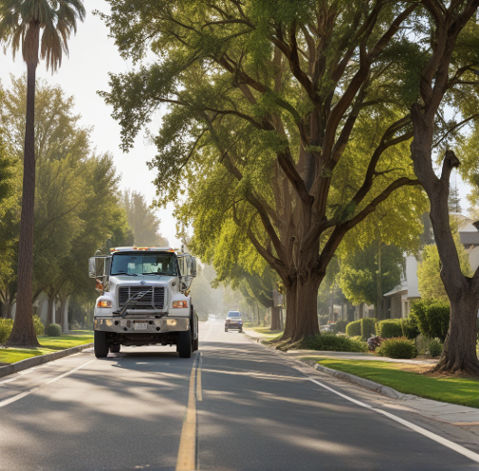
Towing firms in busy San Jose are trying their best to go green. They do not only wait for emergency calls along the highway to demonstrate eco-consciousness but also employ innovative measures aimed at protecting the local environment.
This article will highlight some of these attempts made by towing San Jose CA companies towards environmental conservation.
Adoption Of Biofuels
Several towing companies operating in this region have switched over to using biofuels instead of traditional fossil fuels. These types of fuel produce fewer greenhouse gases and thus contribute to cleaner air quality as they are derived from renewable sources like plant oils or animal fats, among others. Consequently, by utilizing biofuel-powered vehicles within their fleets, such firms make a significant step toward reducing their carbon footprint while fostering a sustainable transport sector.
Route Optimization
Another strategy employed by towing industry players to minimize fuel consumption and emissions is efficient route planning.
To achieve this goal, drivers use sophisticated GPS technology combined with real-time traffic information that enables them to identify the shortest possible paths leading to destination points, thereby saving time as well as money spent on fueling the trucks involved in such operations.
In addition, selecting optimal routes helps avoid unnecessary idling, thereby cutting down congestion levels along roads, which has a positive impact on the environment too.
Investment In Low-Emission Vehicle Technologies
In San Jose, progressive tow truck companies are heavily investing in low-emission vehicle technologies to modernize their fleets on a large scale. This proactive approach positions them ahead of others in the United States and potentially worldwide, in anticipation of future demand. Many states are adopting policy measures that restrict emission levels for motorized transport within designated urban zones, prompting operators to transition to newer, cleaner models, including hybrid and electric vehicles with advanced systems.
This means that through the introduction of these types of units, service providers will significantly reduce the amount of harmful substances released into the atmosphere during the operation stage, thereby resulting in clean air for people residing around the given area, which will be positively affected by this development.
ALSO READ: Sustainable Divorce: Navigating Family Law with an Eco-Friendly Approach
Regular Maintenance and Emission Testing
Fleet vehicles used by towing companies in San Jose are subjected to frequent servicing checks and emissions testing to ensure they meet the required standards set forth in the laws governing environmental conservation. This approach helps maintain them in good condition, ensuring optimal performance when used on job sites and roadsides. It minimizes the number of breakdowns recorded annually due to mechanical failures that arise from neglecting proper care and routine maintenance procedures.
Moreover, this method enhances the efficiency of work done during transportation activities across various locations, where a prompt response is sometimes necessary to save lives and prevent unnecessary damage to property. Proactive measures taken to safeguard these assets can significantly reduce the negative effects of road traffic incidents worldwide. These incidents can lead to the loss of natural beauty in landscapes and severely affect the biodiversity of native species within ecosystems.
Frequent occurrences without timely intervention can lead to the irreversible loss of biological richness.
Environmental Awareness and Education
Towing enterprises established within the city limits of San Jose not only focus their attention inwardly but also extend it outwardly through various awareness creation campaigns aimed at enlightening members, staff, and the public at large about the importance of ecological preservation.
They do so by organizing trainings, workshops, and seminars, among others, where participants get the opportunity to acquire the knowledge and skills necessary for effective sustainable management practices surrounding natural resources.
Moreover, these organizations aim to cultivate a culture of responsibility towards Mother Earth among the individuals working within them. This awareness is crucial for maintaining the planet’s health for present and future generations. As custodians of the roadways that link different parts of the country, they have a unique opportunity to influence the behavior of motorists and travelers.
This extends to those involved in the roadside assistance sector, both locally and globally. It is imperative that all stakeholders join forces to combat the effects of climate change, which are primarily caused by human activities such as industrialization, urbanization, and deforestation.
Conclusion
The green initiatives undertaken by towing companies in San Jose are praiseworthy. They demonstrate a real commitment to environmental protection, setting a standard for the rest of the world to emulate. Such actions are crucial for conserving nature globally.
For example, biofuel adoption helps reduce carbon emissions, thus contributing to cleaner air quality while at the same time saving money used for purchasing traditional fuel types. Route planning that incorporates real-time traffic information not only saves lives but also enhances the efficiency of work done during transportation between different locations.
Prompt responses are crucial in preventing unnecessary property damage. Proactive measures aimed at protecting assets can significantly reduce the adverse effects of road incidents, which globally contribute to the loss of natural landscapes and the biodiversity of native species. Frequent occurrences without timely intervention can lead to irreversible loss of biological richness.
In addition to regular maintenance checks on highways, raising awareness among those who work on them about the need to protect our environment is essential for ensuring a safe and healthy world for future generations.


 Windows play a big role in energy efficiency and environmental impact. Many older windows let heat escape in the winter and allow too much warmth inside during the summer. This makes heating and cooling systems work harder, leading to higher energy use. Replacing old windows with window replacement austin tx can lower energy consumption, reduce carbon emissions, and create a more comfortable home.