The construction and operation of buildings account for nearly 37% of global energy-related carbon dioxide emissions, based on findings from the United Nations Environment Programme (UNEP) and the Global Alliance for Buildings and Construction. As cities continue to grow, urban planners, architects, and residents are increasingly looking beyond traditional building design to create more adaptable and resource-efficient living environments. One area attracting attention is modular outdoor infrastructure, which offers a flexible approach to managing urban space while supporting sustainability goals.
The argument in favor of modular outdoor systems begins with adaptability. Urban environments face constant change, whether from population growth, climate pressures, evolving public needs, or shifting land use priorities. Modular structures such as adjustable shade systems, outdoor workspaces, movable seating areas, and adaptable terrace solutions can respond to these changes without requiring complete demolition or reconstruction. Industry examples such as Pergomaxx illustrate how companies are participating in this trend by developing outdoor systems designed to be modified, expanded, or reconfigured as user needs evolve.

The Case for Modular Outdoor Infrastructure
Supporters of modular design argue that flexibility is one of the most valuable sustainability tools available in modern cities. Traditional infrastructure often assumes that spaces will serve the same purpose for decades. Reality rarely follows that assumption. Neighborhood demographics shift, climate conditions change, and community priorities evolve.
Modular outdoor systems offer an alternative. Components can often be added, removed, relocated, or upgraded without replacing entire structures. Research published by the World Green Building Council highlights that adaptable design strategies can help extend asset lifespans while reducing material waste associated with major renovations.
From a sustainability perspective, extending the useful life of infrastructure matters. Every avoided demolition project reduces the demand for new construction materials, transportation, manufacturing, and waste disposal. In rapidly developing urban areas, these savings can accumulate over time.
Flexibility also improves resilience. As heat waves become more common in many cities, outdoor spaces increasingly require shading and ventilation solutions. Modular systems allow property owners and municipalities to adjust outdoor environments without undertaking extensive redevelopment projects.
Reuse Potential and Circular Design Principles
A second argument supporting modular outdoor systems centers on reuse. Circular economy principles encourage keeping materials in productive use for as long as possible. Rather than following a linear cycle of manufacture, use, and disposal, circular approaches prioritize repair, adaptation, refurbishment, and reuse.
The European Environment Agency notes that extending product life cycles can significantly reduce environmental impacts associated with resource extraction and manufacturing. Modular infrastructure aligns naturally with this philosophy because individual components can often be repaired or replaced independently.
Consider a conventional outdoor structure that suffers localized damage. In many cases, substantial portions of the installation may need replacement. A modular system, by contrast, may allow only the affected section to be repaired while preserving the remaining components.
This approach offers both environmental and economic advantages. Fewer materials enter waste streams, and users avoid the costs associated with complete reconstruction. For cities attempting to balance sustainability goals with budget limitations, these efficiencies can be particularly valuable.
Modular outdoor infrastructure also supports evolving patterns of urban living. Public plazas, rooftop terraces, mixed-use developments, and residential courtyards increasingly serve multiple functions throughout the day. Systems that can adapt to changing activities help maximize the usefulness of limited urban space.
The Counterargument: Sustainability Is Not Automatic
Despite these benefits, modular outdoor systems are not inherently sustainable. Critics argue that flexibility alone should not be confused with environmental responsibility.
Manufacturing modular components still requires raw materials, energy consumption, transportation, and industrial processing. If systems are frequently replaced due to design trends rather than genuine functional needs, the environmental benefits can quickly diminish.
Material selection becomes a critical factor. Aluminum, steel, plastics, and composite materials each carry distinct environmental footprints. Data from the International Energy Agency (IEA) and the International Aluminium Institute show that primary material production can be energy intensive, particularly when recycled content is not incorporated into manufacturing processes.
There is also the issue of durability. A poorly designed modular system that requires frequent replacement may ultimately generate more waste than a conventional structure built to last for decades. Sustainability therefore depends heavily on lifecycle performance rather than marketing claims.
Experts from the Ellen MacArthur Foundation emphasize that true circularity requires products to be designed for longevity, repairability, and material recovery. Modularity contributes to these goals, but it cannot achieve them on its own.
Balancing Flexibility with Environmental Responsibility
The most productive perspective may lie between enthusiastic support and outright skepticism. Modular outdoor systems should not be viewed as a universal solution to urban sustainability challenges. However, they can play a meaningful role when integrated into broader environmental strategies.
Successful implementation depends on several factors:
- Durable materials with long service lives
- Designs that allow repair and component replacement
- Use of recycled or responsibly sourced materials
- Energy-efficient manufacturing processes
- Planning approaches that prioritize long-term adaptability
When these conditions are met, modular systems can support resource efficiency while helping cities respond to changing environmental and social needs.
Urban planners increasingly recognize that sustainability involves more than reducing energy consumption inside buildings. Outdoor environments influence comfort, public health, social interaction, biodiversity, and climate resilience. Shaded gathering spaces, adaptable communal areas, and multifunctional outdoor environments all contribute to more livable cities.
How Modular Systems Fit Emerging Urban Sustainability Trends
Current sustainability discussions increasingly focus on adaptability. Climate uncertainty, evolving work patterns, and population shifts make it difficult to predict exactly how urban spaces will be used in the future.
This uncertainty strengthens the case for infrastructure that can evolve over time. Organizations such as the Organisation for Economic Co-operation and Development (OECD) have highlighted the importance of resilient urban planning strategies that accommodate changing conditions without requiring continuous resource-intensive redevelopment.
Within this broader context, companies developing modular outdoor solutions reflect a larger movement toward flexible design thinking. The interest is less about individual products and more about the underlying concept: creating spaces that can adapt, endure, and remain useful under changing circumstances.
As cities pursue sustainability goals, the ability to modify existing infrastructure rather than replace it entirely may become increasingly important. Modular outdoor systems represent one practical expression of that principle.
READ ALSO: Environment-Friendly Homes Designed To Reduce Energy Costs
Conclusion
The debate surrounding modular outdoor infrastructure reflects a broader challenge facing sustainable urban development. Flexibility, adaptability, and reuse offer clear environmental advantages, particularly in cities where space and resources are limited. At the same time, sustainability outcomes depend heavily on material choices, manufacturing practices, durability, and lifecycle management.
Rather than viewing modular systems as either a perfect solution or an environmental compromise, it is more useful to see them as tools. When thoughtfully designed and responsibly implemented, they can support circular economy objectives, reduce waste, and help urban environments adapt to future needs. Their growing presence in residential and public spaces suggests that adaptable infrastructure will likely remain an important part of the conversation about sustainable urban living for years to come.




 When players think about the environmental impact of gaming, the focus usually lands on hardware, electricity use, or server farms. Merchandise rarely enters the conversation. Yet physical gaming merch such as shirts, figurines, posters, and collector items has a real footprint of its own. Compared with that, buying D2r items for Diablo II: Resurrected often has a
  Extreme record-breaking heat has been affecting Asian regions since April up to the present; exacerbating the living conditions of vulnerable people. The heat has been unbearable for those forced to live in refugee camps and in informal settlements; particularly those living in makeshift settlements that do not provide protection to residents in extreme weather conditions.

 It’s a known fact that fossil fuel use has caused severe damages to the
  The continued use of fossil fuel has caused serious damages to the planet that humanity is already racing against time when the damages caused are no longer reversible. The JSO activists have recently been taking desperate steps in demanding the immediate halt on all future approval of licenses to conduct further exploration and production of fossil fuels in the United Kingdom.
 Towing trucks are a necessity for every driver. They are primarily used to tow other vehicles that have broken down or been involved in an accident. The tow truck like those that towing Milpitas is equipped with a front-end winch, which is used to pull the vehicle on the back of the truck and secure it with a chain.




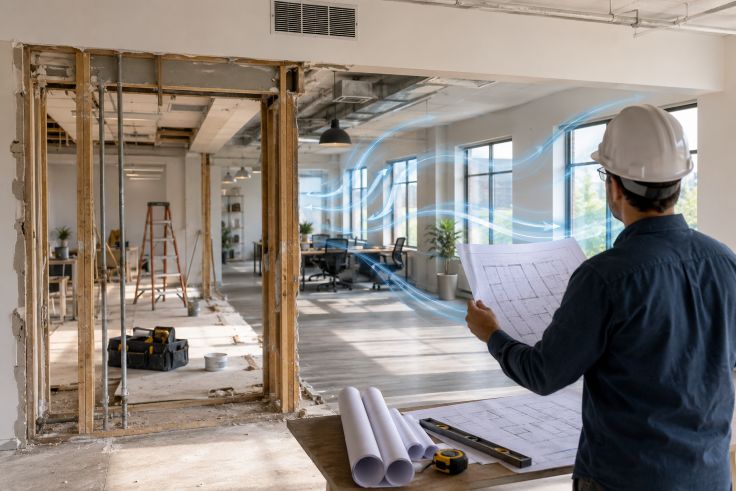

 The way we clean our homes is changing. More people are asking not just for spotless kitchens and fresh-smelling living rooms, but also for cleaning services that protect the planet.


 Windows play a big role in energy efficiency and environmental impact. Many older windows let heat escape in the winter and allow too much warmth inside during the summer. This makes heating and cooling systems work harder, leading to higher energy use. Replacing old windows with window replacement austin tx can lower energy consumption, reduce carbon emissions, and create a more comfortable home.
 Other sustainable means that producers are looking after are the use of bio-based polymers and recycled plastics. Using these materials reduces the carbon footprint during helmet production. It also decreases the dependency on virgin resources.

 Encouragement of sustainable practices inside the sector depends much on roofing contractors. Contractors may contribute to lower the environmental effect of roofing projects by using environmentally friendly methods and giving sustainable materials top priority. Leading the way in providing ecologically conscious roofing solutions are businesses like noreastexteriors.com.
 Local movers Alpharetta GA homeowners regularly hire to render junk removal services, play an important role in maintaining the city’s environment-friendly condition. The moving company Deluxe Moving Solutions (DMS) for one, is known for deploying only experts who have full
  Old and heavy appliances like stoves, refrigerators, washing machines, and pieces of furniture like tables, chairs, couches,etc. Care will be given when transporting appliances and furniture pieces so they can arrive at non-profit charitable organizations or non-profit recycling centers, without further damage.
 In a world increasingly focused on sustainability, the automotive industry is undergoing a remarkable transformation, and every driver has the power to contribute to a greener future. A significant yet often overlooked aspect of this shift is the importance of upgrading your vehicle’s rims. Enter TRD rims: a stylish, eco-friendly upgrade that promises to enhance both your ride’s performance and your commitment to clean, sustainable driving. By choosing these innovative rims, you’re not just enhancing your vehicle’s aesthetic appeal; you’re also taking a conscious step towards reducing your carbon footprint on the road.
 Many manufacturers of eco-friendly TRD rims have adopted sustainable practices in their production processes. This includes sourcing
 RV travel is a fun and