

Choosing a fence rarely feels like an environmental decision, yet it quietly is one.
Every fence involves raw material extraction, manufacturing, transport, and eventually disposal, and those steps add up differently depending on what’s chosen.
Aluminium fencing Sydney homeowners have been turning to more often over the past few years is proving to be one of the stronger options once the full picture is considered.
My Fencing Specialists, working across the North Shore, Northern Beaches, Eastern Suburbs and Sydney City since 1999, have watched that shift happen firsthand.
Why Aluminium Stacks Up Well Over Time
Aluminium has a reputation for being energy-intensive to produce, and that’s true at the smelting stage. But the material more than makes up for it once it’s installed.
Aluminium doesn’t rust, doesn’t rot, and doesn’t need chemical treatments to survive Sydney’s coastal humidity.
A well-installed aluminium fence can easily outlast timber by decades, which cuts down on how many replacements a property goes through.
That matters more than people usually think.
Every time a fence comes down and a new one goes up, there’s another round of manufacturing, transport, and old material heading somewhere.
Ideally recycling. Sometimes landfill. A fence that simply lasts longer avoids most of that repeated impact.
The Recycling Advantage Nobody Talks About
One of aluminium’s biggest environmental strengths gets overlooked constantly. It’s almost infinitely recyclable without losing quality.
Recycled aluminium needs only a fraction of the energy required to produce new aluminium from raw ore, sometimes as little as five percent.
That means an old aluminium fence, once it does eventually reach the end of its life, doesn’t have to become waste.
It can go straight back into new fencing, window frames, or plenty of other products.
Compare that to treated timber, which often can’t be recycled at all because of the chemicals used in preservation, or steel, which is recyclable but takes more energy to reprocess than aluminium does.
For homeowners thinking about what happens after a fence is no longer needed, aluminium has a genuine edge here.
Lower Maintenance Means Fewer Resources Used
An eco-friendly material doesn’t stay eco-friendly if it needs constant chemical treatment just to keep functioning.
Timber fencing typically needs oiling, sealing, or repainting every couple of years to avoid rot and warping, and each round of that maintenance involves manufactured products with their own footprint. Aluminium sidesteps most of this.
A powder-coated finish holds up for years without touch-ups, which means fewer cans of sealant or paint used over the fence’s lifetime.
That lower-maintenance profile also means less water used for cleaning and less waste from replacing worn hardware.
Small things individually, but they add up across an entire boundary line over ten or twenty years.
Fitting Aluminium Into a Genuinely Green Yard
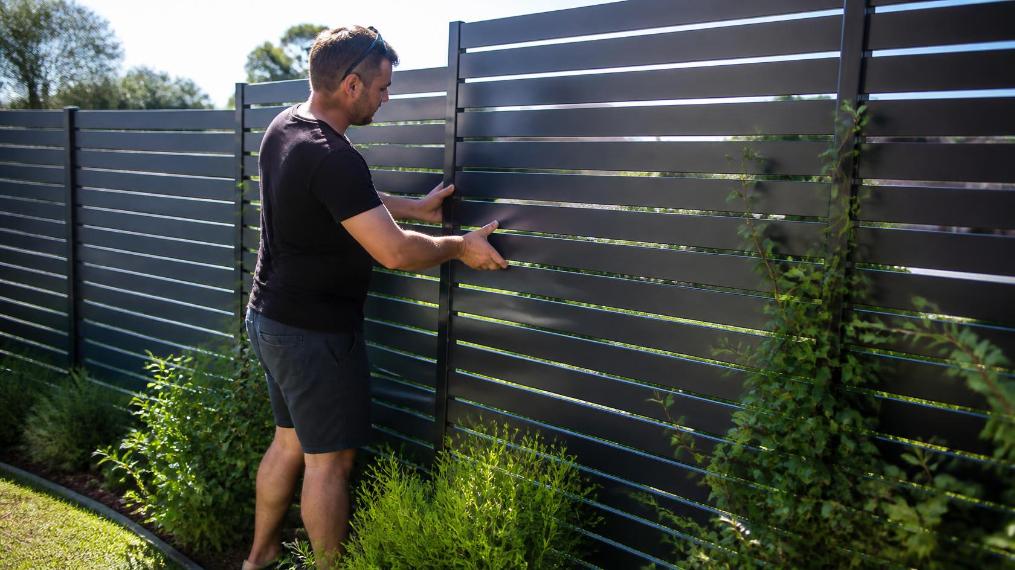
Aluminium fencing tends to be built with slats or pickets spaced to let light and air through, rather than as one solid barrier.
That’s a real advantage for gardens planted near the fence line, since plants get better airflow and don’t sit in the deep shade a solid Colorbond panel can create.
Climbing plants also take to aluminium slats reasonably well, giving homeowners the option of softening the fence line with greenery without giving up the material’s durability.
For anyone actively planning sustainable fences for house and garden, the fence itself is only one part of the equation.
Pairing it with native planting along the boundary, rainwater collection nearby, or simply leaving gaps for wildlife movement rounds out a yard doing more than just looking tidy.
Weighing the Upfront Cost
Aluminium fencing generally costs more upfront than basic timber paling, and that’s a fair concern for homeowners on a tighter budget.
The better way to think about it is across the fence’s full lifespan, not just the installation invoice.
A timber fence needing replacement every fifteen years, with regular maintenance costs along the way, often ends up costing more overall than an aluminium fence installed once and left largely alone for thirty years or more.
That calculation shifts again once the environmental cost gets factored in.
Fewer replacements and less ongoing chemical treatment add up to a smaller footprint even before recycling comes into play.
A Practical, Long-Term Choice
Fencing decisions don’t usually get treated as environmental ones, but the material chosen has real consequences that play out over decades rather than days.
Aluminium’s durability, recyclability, and low maintenance needs make it one of the more sensible choices for homeowners who want a fence that looks after itself and keeps its overall impact fairly light in the process.
For Sydney homeowners weighing their options across the North Shore, Northern Beaches, Eastern Suburbs and beyond, it’s a material worth serious consideration for anyone thinking past the next few years.

 When players think about the environmental impact of gaming, the focus usually lands on hardware, electricity use, or server farms. Merchandise rarely enters the conversation. Yet physical gaming merch such as shirts, figurines, posters, and collector items has a real footprint of its own. Compared with that, buying D2r items for Diablo II: Resurrected often has a
 The way we clean our homes is changing. More people are asking not just for spotless kitchens and fresh-smelling living rooms, but also for cleaning services that protect the planet.


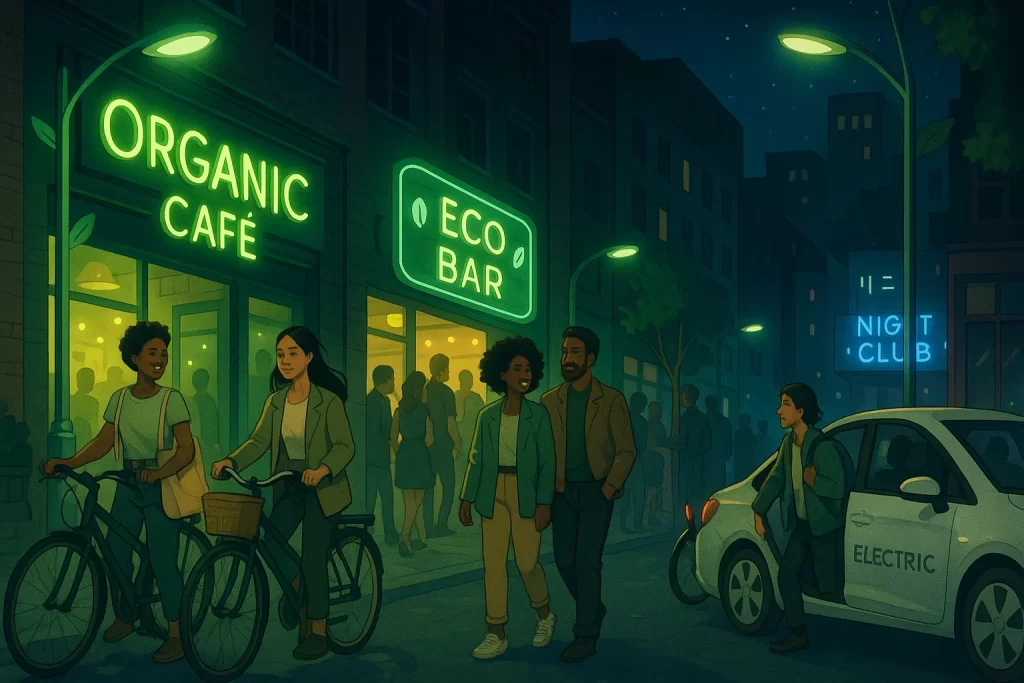
 Windows play a big role in energy efficiency and environmental impact. Many older windows let heat escape in the winter and allow too much warmth inside during the summer. This makes heating and cooling systems work harder, leading to higher energy use. Replacing old windows with window replacement austin tx can lower energy consumption, reduce carbon emissions, and create a more comfortable home.
 Other sustainable means that producers are looking after are the use of bio-based polymers and recycled plastics. Using these materials reduces the carbon footprint during helmet production. It also decreases the dependency on virgin resources.

 Encouragement of sustainable practices inside the sector depends much on roofing contractors. Contractors may contribute to lower the environmental effect of roofing projects by using environmentally friendly methods and giving sustainable materials top priority. Leading the way in providing ecologically conscious roofing solutions are businesses like noreastexteriors.com.
 Local movers Alpharetta GA homeowners regularly hire to render junk removal services, play an important role in maintaining the city’s environment-friendly condition. The moving company Deluxe Moving Solutions (DMS) for one, is known for deploying only experts who have full
  Old and heavy appliances like stoves, refrigerators, washing machines, and pieces of furniture like tables, chairs, couches,etc. Care will be given when transporting appliances and furniture pieces so they can arrive at non-profit charitable organizations or non-profit recycling centers, without further damage.
 In a world increasingly focused on sustainability, the automotive industry is undergoing a remarkable transformation, and every driver has the power to contribute to a greener future. A significant yet often overlooked aspect of this shift is the importance of upgrading your vehicle’s rims. Enter TRD rims: a stylish, eco-friendly upgrade that promises to enhance both your ride’s performance and your commitment to clean, sustainable driving. By choosing these innovative rims, you’re not just enhancing your vehicle’s aesthetic appeal; you’re also taking a conscious step towards reducing your carbon footprint on the road.
 Many manufacturers of eco-friendly TRD rims have adopted sustainable practices in their production processes. This includes sourcing
 RV travel is a fun and





 It’s a known fact that fossil fuel use has caused severe damages to the
  The continued use of fossil fuel has caused serious damages to the planet that humanity is already racing against time when the damages caused are no longer reversible. The JSO activists have recently been taking desperate steps in demanding the immediate halt on all future approval of licenses to conduct further exploration and production of fossil fuels in the United Kingdom.



 A common misconception is that being environmentally friendly and financially secure are mutually exclusive. However, the truth is that there are numerous ways to achieve financial freedom while also