

Perimeter fence installation can disturb soil, damage tree roots, and affect natural drainage when site conditions are overlooked. Excavation, vehicle movement, and poorly planned material deliveries can also create unnecessary waste. For Sydney property owners and site managers, reducing these impacts begins before construction starts.
Planning a security fence installation Sydney project requires balancing property protection with environmental considerations. A well-organised installation can limit excavation, protect existing vegetation, and reduce discarded materials. The following steps explain how to approach each stage while maintaining the fence’s intended security function.
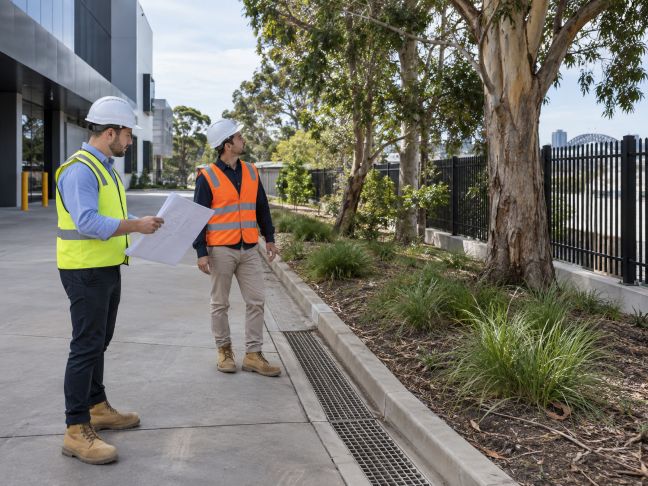
A Step-by-Step Guide to Environmentally Responsible Perimeter Fence Installation
Environmental planning should be part of the initial design rather than an adjustment made during construction. Each decision, from choosing the fence line to arranging deliveries, influences how much of the surrounding site needs to be disturbed.
Step 1: Assess the Site Before Finalising the Fence Line
Start by examining the property’s boundaries, ground conditions, vegetation, and existing drainage. Identify established trees, slopes, stormwater outlets, and areas where construction equipment may have difficulty accessing the site.
Tree protection deserves particular attention. The City of Sydney uses tree protection plans that restrict excavation, material storage, and machinery movement within designated root protection areas. These measures help prevent root damage and soil compaction during construction.
Consider engaging a qualified arborist when the proposed fence runs close to mature trees. Minor adjustments to the fence alignment may allow posts and machinery to avoid sensitive root areas without compromising the property’s security requirements.
Next, review how rainwater moves across the property. The NSW Department of Climate Change, Energy, the Environment and Water publishes the Blue Book, which provides guidance on controlling soil erosion and sediment during construction.
Use the site assessment to identify where temporary erosion controls, equipment access, and material storage should be located.
Step 2: Choose the Appropriate Fence Type and Height
Once the site conditions are understood, select a fence design that meets the property’s security requirements without creating unnecessary construction work.
Welded mesh, palisade fencing, and chain-link systems have different physical characteristics. Mesh and chain-link designs allow air and water to pass through their openings, while solid barriers can affect surface runoff and wind exposure.
Consider whether a solid boundary is necessary or whether an open steel fence can provide the required level of access control. The choice should reflect site risks, visibility requirements, and maintenance needs. Property owners can also explore how modular outdoor systems support sustainable urban living through flexible designs and adaptable outdoor spaces. Selecting a suitable fencing system early can help minimise unnecessary modifications and material waste during installation.
Height also affects material requirements and structural design. Avoid specifying additional height without a clear security or operational reason.
The NSW Department of Planning, Housing and Infrastructure explains that fencing may qualify as exempt development when the applicable planning standards are met. Requirements vary with the property’s zoning, location, and fence design.
Check the relevant planning controls before ordering materials. Commercial and industrial properties may have different requirements from residential sites, particularly where additional security measures are proposed.
Step 3: Plan Post Placement to Reduce Ground Disturbance
Fence posts require careful positioning because their foundations determine where excavation will occur. Poorly planned spacing can lead to unnecessary digging, additional concrete use, or changes during installation.
Mark the proposed post positions before bringing excavation equipment onto the property. Compare their locations with the site assessment and identify any conflicts with tree roots, drainage infrastructure, or underground services.
Use the manufacturer’s specifications and an appropriate structural design to establish post spacing and foundation requirements. Avoid reducing foundation dimensions simply to save materials, as this may affect structural performance.
Where conditions allow, consider whether individual post foundations can provide the required support without continuous concrete footings.
Protect surrounding ground during excavation. Keep machinery within designated access routes and avoid storing excavated soil beneath existing trees.
The City of Sydney identifies restrictions on excavation, soil compaction, and construction activity within designated tree protection zones. Any unavoidable work near protected roots should be assessed by a qualified arborist.
Step 4: Prepare Materials Before Dispatch
Accurate measurements can reduce the amount of cutting and adjustment required during installation. Confirm the fence length, panel dimensions, post spacing, and gate locations before production begins.
Where practical, order components that match the approved design. Pre-cut panels and correctly sized posts can reduce on-site offcuts and make material quantities easier to manage.
Coordinate delivery schedules with the installation team. Arrange for materials to arrive when suitable storage space and access are available, rather than allowing large quantities to accumulate across the property.
Store steel components on stable surfaces away from protected vegetation and drainage paths. Separate reusable packaging, surplus steel, and general waste to make recovery easier.
The NSW Environment Protection Authority recommends that construction project managers understand how contractors handle and dispose of construction waste. Establishing these arrangements before work begins can improve material management.
Step 5: Manage Installation and Restore Disturbed Areas
During construction, check that workers follow the approved fence alignment, access routes, and environmental protection measures.
Keep exposed soil to the minimum area required for the work. Inspect erosion controls during construction, particularly when rainfall is expected.
Collect offcuts, packaging, and unused components as installation progresses. Store recoverable materials separately and arrange appropriate recycling or disposal.
After installation, remove temporary materials, stabilise disturbed soil, and restore affected vegetation where appropriate. Check that drainage paths remain clear and that the completed fence does not obstruct existing stormwater infrastructure.
Planning for Long-Term Environmental Performance
Environmentally responsible fencing begins with understanding the property and continues through design, installation, and maintenance. Careful site assessment protects sensitive areas, while accurate measurements and coordinated deliveries help control material waste.
Future inspections should also consider vegetation growth, drainage changes, and signs of foundation movement. Addressing problems early can reduce the need for extensive repairs or replacement.
For Sydney property owners, the practical goal is a secure perimeter that performs reliably while leaving the surrounding landscape as undisturbed as possible.